Introduction: Why Global Industry Relies on Nepheline Syenite
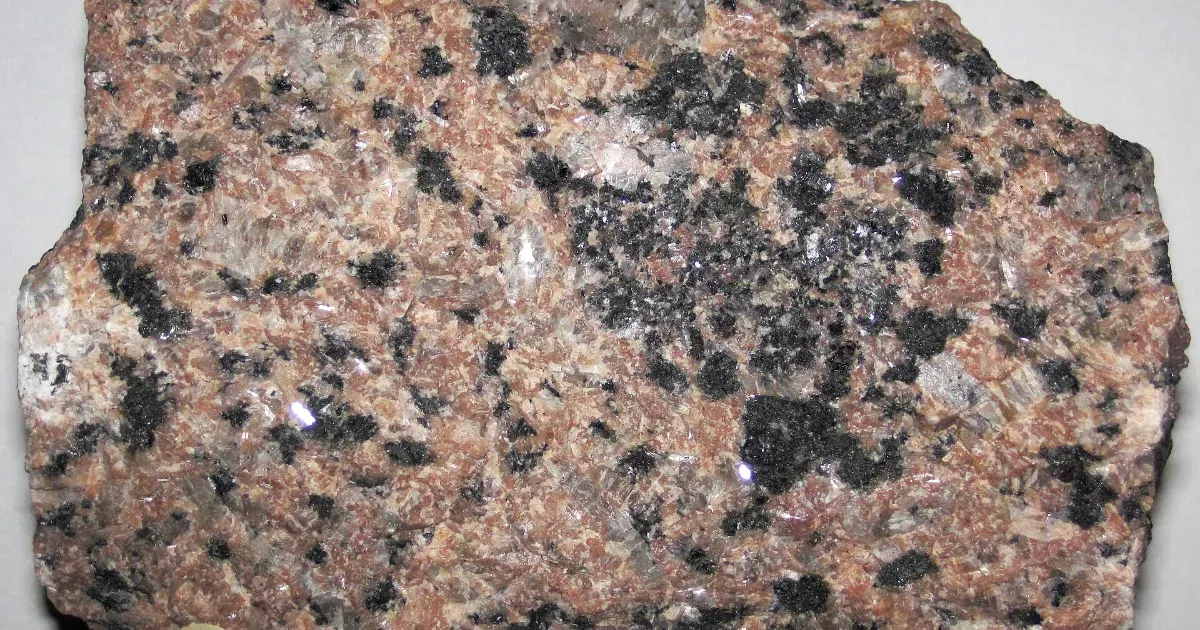
Nepheline syenite is an alkaline igneous rock that is free of crystalline silica (quartz). Its high alumina content, high total alkalis (Na2O + K2O) and low melting point make it one of the most effective fluxes for glass, ceramics and glazes. As a result, production and trade of this mineral are concentrated in a handful of large, long-established companies, each with decades of experience in mining, processing and exporting it.
This article profiles the most important international companies in the nepheline syenite value chain — including their country, founding year, mine locations and track record — and then reviews the key consuming industries and Iran's position in this market.
1. Sibelco – Belgium
- Home country: Belgium (headquartered in Antwerp)
- Founded: 1872
- Nepheline syenite mine: Stjernøy island, northern Norway, near Alta
Sibelco is one of the world's largest industrial minerals companies, active in silica, clays, feldspar and nepheline syenite. The Stjernøy nepheline mine was established in 1961 as "Norsk Nefelin", a subsidiary of the Norwegian company Christiania Spigerverk, and today operates as part of Sibelco Nordic. The site includes open-pit and underground mining, a dry processing plant, a bagging plant and its own port for seaborne exports.
Sibelco's Norwegian nepheline syenite, known for its high purity and brightness, serves three main markets: ceramics (tiles, engobes and glazes), glass (lower melting temperatures and energy savings) and coatings and polymers (functional filler). The same site also produces Soilfeed, a soil conditioner.
2. Covia – United States / Canada
- Home country: United States; nepheline mines in Ontario, Canada
- Historical roots: Unimin, founded 1970
- Mines: Blue Mountain and Nephton, Peterborough County, Ontario
Covia was formed in 2018 through the merger of Unimin (long a Sibelco subsidiary) with Fairmount Santrol. The company went through Chapter 11 restructuring during the COVID-19 pandemic and emerged by the end of 2020. Its Canadian business is North America's largest source of nepheline syenite.
These deposits have a long history: commercial quarrying at Nephton began in 1935, and the Blue Mountain quarry entered production in 1955. According to Ontario's mineral inventory records, the operation was producing more than 600,000 tonnes per year by the 1990s. The Canadian product, around 99% pure and processed entirely by dry mechanical methods with no chemical inputs, is used in glass, ceramics, paints, adhesives, sealants, inks, polymers and even food and medical packaging.
Key fact: According to the U.S. Geological Survey (USGS), Canada supplied about 99% of U.S. nepheline syenite imports in 2021–2024. U.S. imports were about 456,000 tonnes in 2024 and an estimated 420,000 tonnes in 2025, while the average unit value rose from $198 to about $220 per tonne.
3. 3M – United States
- Country: United States
- Founded: 1902
- Production site: Little Rock, Arkansas
Industrial giant 3M, with more than a century of mineral extraction experience, operates Arkansas nepheline syenite at its Little Rock facility. The site is known for roofing granules, and the rock is also sold as "3M Industrial Grade Nepheline Syenite" in 200-micron and 700-micron sizes to ceramic tile and brick manufacturers and specialty asphalt contractors.
4. RUSAL – Russia
- Country: Russia
- Key facility: Achinsk Alumina Refinery, founded 1970
- Feed source: Kiya-Shaltyr nepheline mine
RUSAL, one of the world's largest aluminium producers, is the leading example of using nepheline instead of bauxite to produce alumina. The Achinsk refinery, with a capacity of about 1.069 million tonnes of alumina per year, converts nepheline ore and limestone into high-grade alumina and calcined soda using a proprietary sintering and hydrochemical process. RUSAL has also obtained a licence to develop the Goryachegorsk nepheline deposit to secure long-term feed for the refinery.
5. PhosAgro / Apatit – Russia
- Country: Russia (Kola Peninsula)
- Apatit founded: 1929
- Source: Khibiny apatite-nepheline deposit
Apatit, fully consolidated into the PhosAgro group in 2013, processes Khibiny apatite-nepheline ore into apatite concentrate (feedstock for phosphate fertilizers) as well as nepheline concentrate. This product has been sold domestically and to Finland, Poland, Norway, Belgium and the Netherlands.
6. International Traders and Distributors
- Anglo Pacific Minerals (UK, founded 2004): an industrial minerals supplier and distributor linking mines with markets in Brazil, China, India, Australia, Morocco, the United States and Mexico.
- Tecnodieci (Italy): a raw-materials supplier to the Italian ceramics industry that includes nepheline syenite in its portfolio.
Which Industries Consume Nepheline Syenite Worldwide?
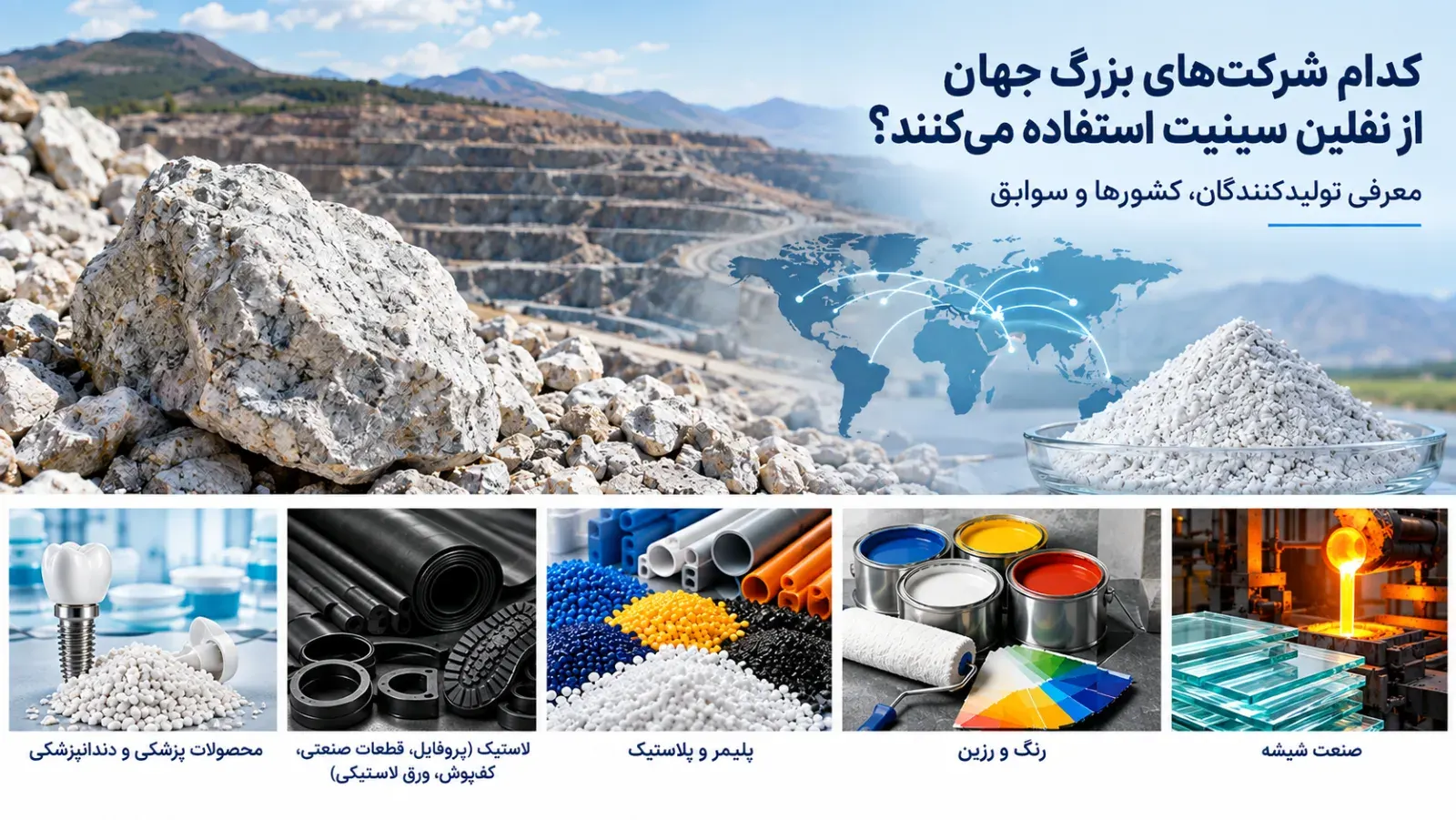
Supply contracts between producers and manufacturers are usually confidential, but the end-use sectors are well defined, and the largest players in these industries are the main actual and potential buyers:
Glass
Producers of container glass, flat glass and fiberglass in North America and Europe are the largest consumers. Nepheline syenite supplies the alumina needed for chemical and mechanical durability, and its low melting point reduces furnace energy consumption.
Tiles, Ceramics and Sanitaryware
Porcelain tile, sanitaryware and tableware plants — especially in the industrial clusters of Italy, Spain and North America — use nepheline syenite to lower firing temperatures, shorten kiln cycles and improve glaze clarity.
Paints, Coatings and Polymers
Micronized nepheline syenite is used as a functional, crystalline-silica-free filler in architectural paints, powder coatings, automotive refinishes, adhesives, sealants and plastics, thanks to its low refractive index, UV transparency and easy wetting.
Alumina, Cement and Agriculture
Russia's experience shows that nepheline can replace bauxite as a source of alumina. Newer applications such as soil remediation and slow-release potassium fertilizers are also growing.
Iran's Position and Soorin Aras Zendeh Roud
As shown above, global supply of nepheline syenite is largely concentrated in a few countries such as Canada, Norway, Russia and the United States. This geographic concentration creates a valuable opportunity for countries with quality deposits. The Kalibar nepheline syenite deposit in East Azerbaijan Province and the processing capabilities of Soorin Aras Zendeh Roud, located near the Aras Free Zone, can supply domestic glass, tile, ceramics, paint and polymer industries as well as regional markets with competitive quality.
Conclusion
Companies such as Sibelco (Belgium/Norway), Covia (USA/Canada), 3M (USA), RUSAL and PhosAgro (Russia), each with decades of history, are the pillars of the global nepheline syenite market. Their success rests on three foundations: a high-quality deposit, precise processing and reliable supply — the same path Iranian producers must follow to become serious players in the global market.
Sources: official websites of Sibelco, Covia, 3M, RUSAL and PhosAgro; USGS Mineral Commodity Summaries; Ontario Mineral Inventory; Alta Museum (Norway).